
Some Loved It, Some Hated It. I Stayed in Livingston, Guatemala.
A woman checking out of the hostel told me Livingston had ripped her off. The tuk-tuk driver, she said, had charged her double. And that was that. She had decided the whole town was a scam. She was leaving, probably for Antigua or somewhere else on the well-trodden backpacker trail.
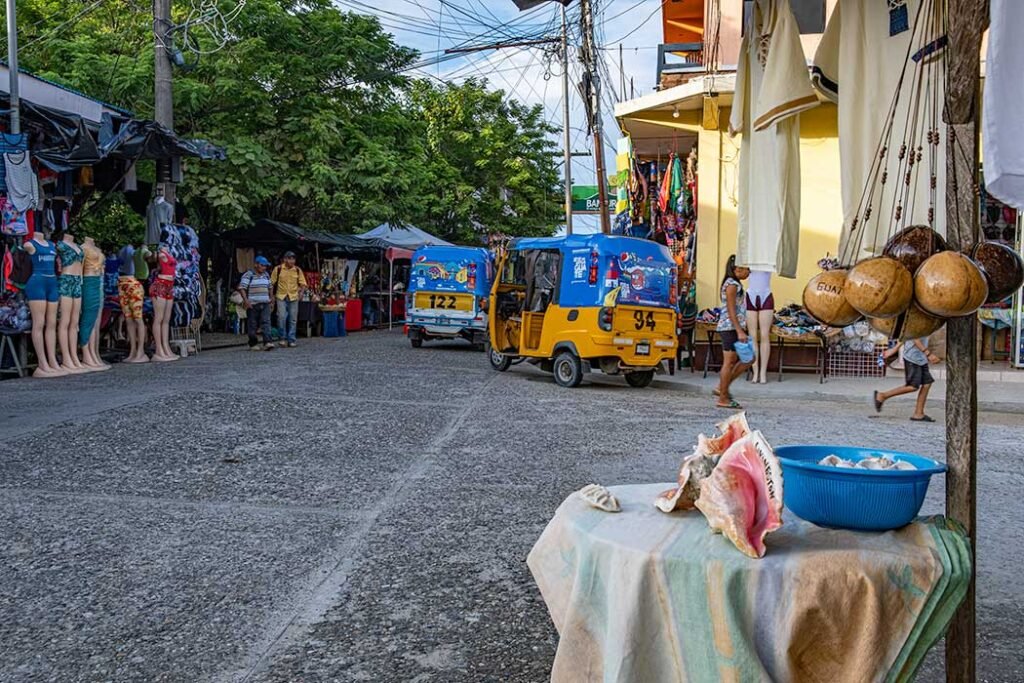
I was in week three of my month volunteering at the hostel. By then, I’d seen a different side of Livingston. I’d watched women washing their family’s clothes by hand in the street, seen people working hard to make a living, and started to understand that life here wasn’t particularly easy for many.
I wasn’t quite sure what to say, so I asked her how much she’d paid.
As it turned out, I’d made exactly the same mistake on my first day. I hadn’t asked the price before getting in either. Yes, she’d been overcharged, and nobody likes being taken advantage of. But what struck me was how quickly she’d made up her mind about the entire town because of one tuk-tuk ride.
I suppose three weeks in Livingston had given me a slightly different perspective. Not necessarily a better one, just a different one.
Skip to: Things to do · Where I stayed · Wow to get there and practical tips by clicking here.
This blog is supported by you. The content, written with love and passion, will always remain free. My posts may contain affiliate links, which means that I will receive a small commission if you purchase the product or make a booking through one of my links. I will never recommend or promote a product I don’t believe in or haven’t used myself. This way, you support my work at no extra cost to you. Thank you!
How I Ended Up There
I spent a month in Livingston, living and working at the hostel as a volunteer. I arrived on my second day in Guatemala.
The first day was spent in Guatemala City, which I’d been told was one of the most dangerous cities in Central America. I had flown in from Colombia and was questioned at the airport for thirty minutes about what I did for a living and why I was visiting.
I felt interrogated, treated like a petty criminal. The whole experience left me feeling intimidated and overwhelmed. I was so upset that I actually cried.
Until then, most of my travels had been around Europe, using my EU passport. Crossing borders had always been relatively straightforward, and I’d rarely given much thought to how privileged I was in that respect.
But here I was, a foreigner arriving from Colombia, being questioned about my intentions and having to convince someone that I was simply a traveller.
Suddenly, I was the foreigner being questioned, and my European nationality didn’t seem to count for quite as much as I was used to. It was only thirty minutes, but it made me appreciate something I’d always taken for granted.
It was an eye-opener.
Then an overpriced taxi to the hotel. That afternoon I walked around for a couple of hours to see a few landmarks, mostly so I could say I’d seen the city, but I was exhausted and overwhelmed. The next day I set off for Livingston: two buses, then a boat, and twelve hours later I arrived.
Most travellers pass through Livingston on their way to Honduras. It isn’t one of Guatemala’s most popular destinations, partly because it’s hard to get to and slightly off the typical backpacking route, and partly because nobody seems to agree on whether it’s worth staying longer than a day. The travellers I met had split opinions. Some loved it. Some hated it and left the next morning.
Me? I stayed for a month. I almost stayed much longer.
There was something about Livingston, or perhaps the hostel and the people I met there, that made me begin to understand, on a deeper level, why I’d set off on this journey in the first place.
The travellers I met there were a different kind: people with purpose, with rich souls although all so different. We spent the evenings playing guitar, singing Latin American songs, talking about life, politics and sharing travel stories. We all felt different, we all loved it. I think both Livingston and Guatemala itself had a lot to do with it. This feeling continued and even more so when I arrived at Atitlan a month later.
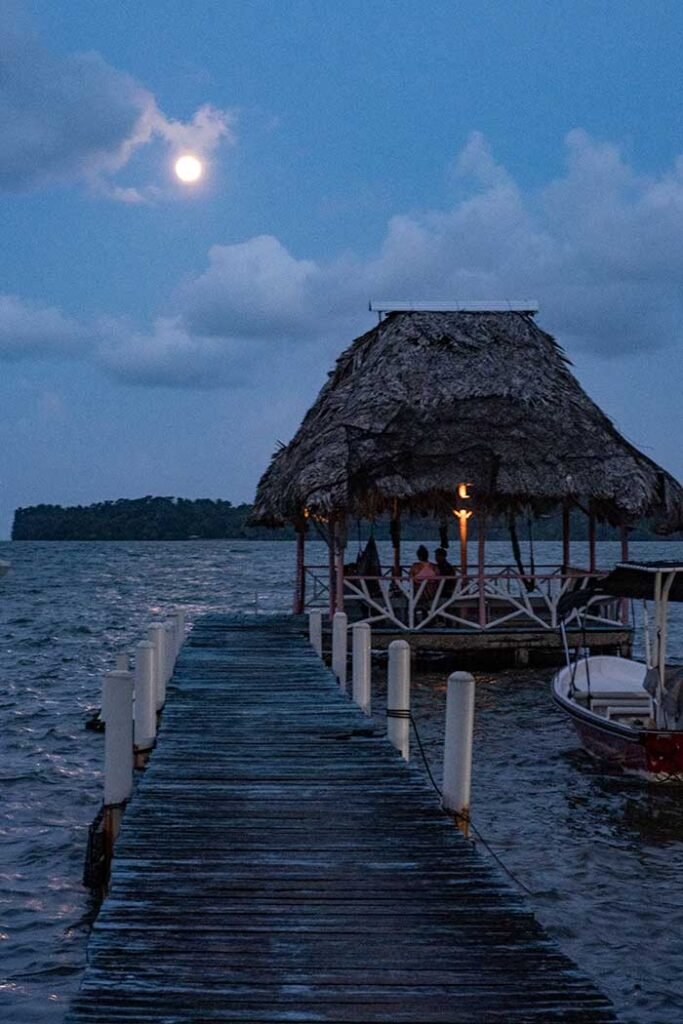
There is something about places like Livingston, and travelling in general, that opens you up in ways you don’t expect. Sometimes, without even realising it, you discover little cracks in your heart that you’ve spent years trying to hide. And perhaps those are the very cracks that let the light in.
For me, that is what travel is for: meeting places and people who show you who you are and who you could be.
Not Your Typical Caribbean Town
I think Livingston is worth visiting if you want to see a different face of Guatemala. It is the only place in the country where you can experience Garifuna culture, and the town dynamics are unlike anywhere else I went.
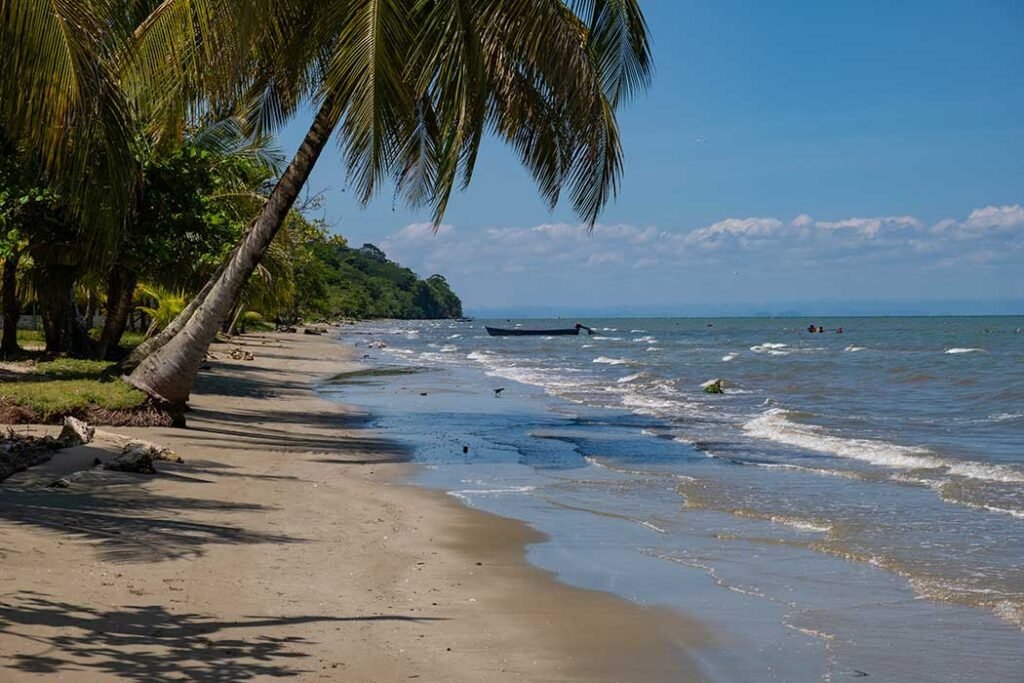
It is also a different kind of Caribbean from the one you’d picture. The beaches aren’t to die for. Garifuna culture is used to attract tourists, yet the Garifuna are very much marginalised, at least they were when I visited. I hope that has changed by now. The town centre has no cute, quirky restaurants or colourful buildings like in Antigua, for example, and I found only one place where I could have a drink without feeling out of place.
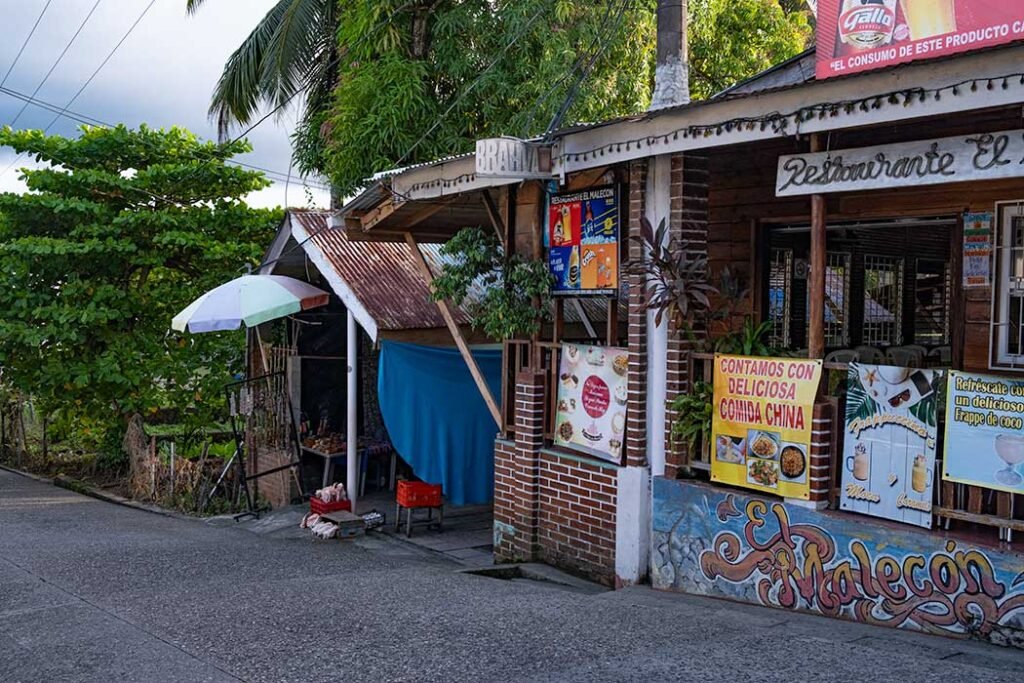
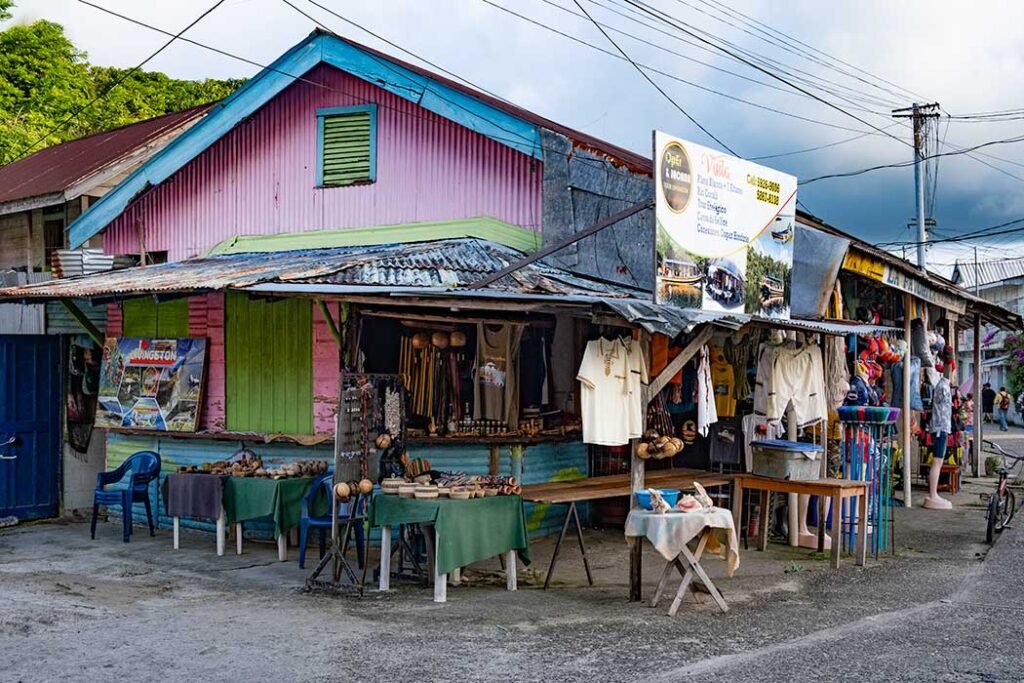
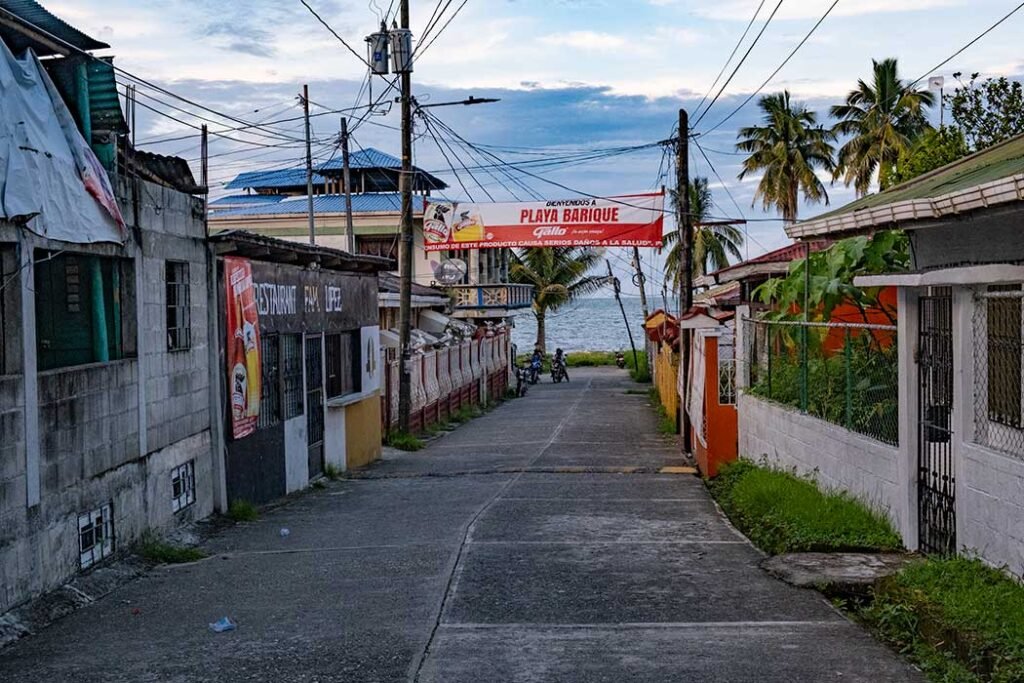
It is a town of extremes. You will meet extremely kind people who are eager to tell you about the town and welcome you in. You will also see a very simple way of life, with women washing clothes by hand in the street and people trying every possible way to make money to support their families. It is unpolished and rough around the edges. Go prepared to meet that simple life face to face.
A Town of Many Faces
Livingston is not just one thing. Spend a few days there and you will notice that different groups of people live side by side in a very small place. There are the Garifuna, who make up much of the town’s identity. There are ladinos, a term used in Guatemala for people of mixed Spanish and Indigenous descent. And there are Q’eqchi’ Maya living in and around the town.
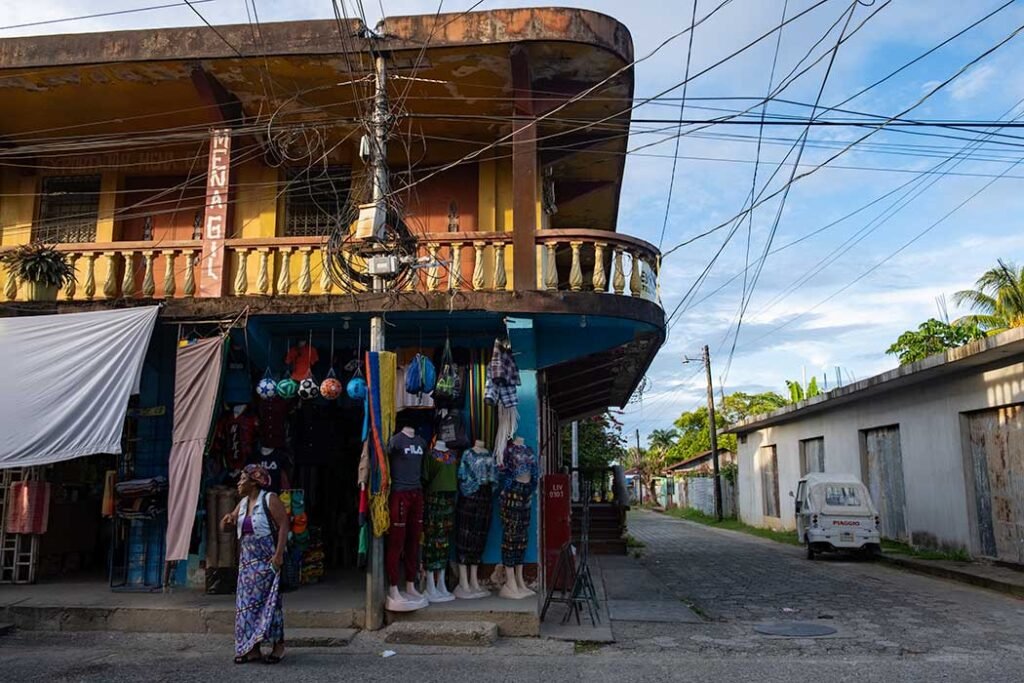
Livingston is also only accessible by boat, which makes it feel even smaller. Everyone seems to know everyone, and everyone seems to share the same few streets.
But as I spent time there and talked to people, I kept hearing one more thing. People told me the town is quite divided between Garifuna and ladinos, and that the ladinos get the better end of the tourism industry. I was told that many of the hotels and tour businesses are owned by ladinos, while the Garifuna are the face of the town’s culture: the drumming, the dancing, the hair braiding on the street.
I can’t tell you if this is true. It is something I heard from people, and I never saw any figures to back it up. But I heard it often enough that I think it is worth mentioning, and it matched what I saw walking around town.
When I first posted this article, some people criticised me for painting parts of the town in a negative way. That was never my intention. This is my personal experience and my opinion, and I wanted to paint the picture of the town as I found it. Your picture might be different, and that is perfectly fine
And Then: The Garifuna Culture
My boss sent me to the Garifuna side of town as a guide. I had no idea where I was going.
A few hostel guests wanted to go out in the evening, and someone had told them the best party in town was on the beach, on the Garifuna side. So I was sent along with them, supposedly to show them the way. The truth is that the area was as unfamiliar to me as it was to them.
We walked along the shabby seafront in the dark, a group of travellers trying to look like we knew what we were doing. It was just a path along the beach, with empty huts, houses and closed restaurants on the left. But as we got closer, the music got louder, and finally we could see the lit bar it was coming from.
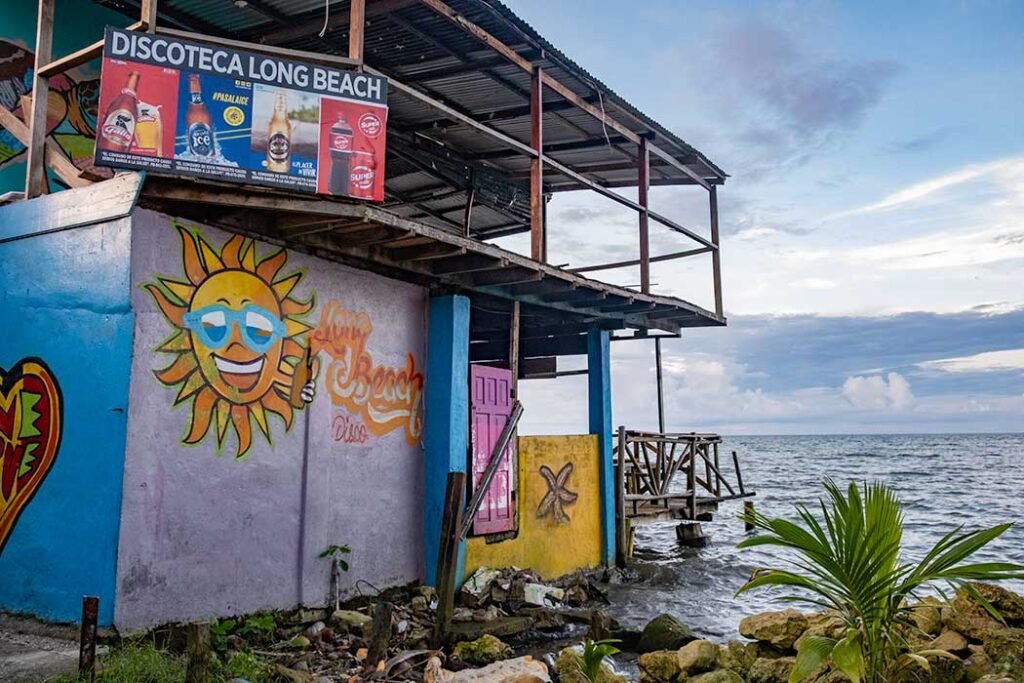
A very basic bar, right on the beach, packed with local Garifuna and loud music.
We drank rum and coke. We danced. For a few hours it felt like exactly the Caribbean party I had imagined before I got to this coast, except it was a simple bar, nothing fancy, and all the better for it.
I smile every time I think about that night. It was one of the first times I understood that Livingston was not just a stop on the way to Honduras. It was a place with its own culture and its own music.
Livingston is the only place in Guatemala where you can really experience Garifuna culture.
But Who Are the Garifuna?
The Garifuna are a people of mixed African and Indigenous Caribbean ancestry, with a history that began long before they arrived on the coast of Guatemala.
Their roots go back to the Caribbean island of St Vincent, where African and Indigenous Arawak and Carib communities came together over generations, developing their own language, traditions and identity.
Their history is also one of resistance and forced displacement. After conflicts with British colonial forces, thousands of Garifuna were expelled from St Vincent in 1797 and deported to the island of Roatán, off the coast of Honduras. From there, communities gradually spread along the Caribbean coast of Central America, including to what is now Guatemala, Belize and Nicaragua.
The Garifuna have their own language, food, music and traditions, many of which have been passed down through generations. Their language, music and dance have even been recognised by UNESCO as part of the Intangible Cultural Heritage of Humanity.
And the music isn’t just entertainment. Traditional Garifuna songs preserve stories, history and knowledge, while drumming and dancing play an important role in community life.
Today, Livingston is one of the most important centres of Garifuna culture in Guatemala.
Experiencing Garifuna Culture in Livingston
One of the best ways to get a feel for this part of Livingston is simply to walk around. If you are lucky, you might come across drummers and dancers. You will also come across local food stalls or people offering hair braiding and other services.
During my stay, I was told about a well-known local guide who shared stories about the community and its history. Ask your accommodation about available tours, preferably ones organised and run by Garifuna themselves.
There are also opportunities to learn traditional cooking, drumming and dancing.
One place I came across was Rasta Mesa, known for its Garifuna cooking classes. When I walked past, it looked closed, and I remember thinking how easily I could have missed it altogether. It was apparently possible to arrange classes, but you wouldn’t necessarily have known that from the outside.
Another option worth checking out is Dibasei Garifuna, a community-run cultural organisation offering guided walks, drumming sessions and cooking experiences, including lessons in preparing tapado, the delicious coconut-based seafood dish I loved so much.
I also received a recommendation from one of my readers for Gamboa Place, a Garifuna-owned restaurant. According to him, they served the best chicken soup he’d ever tasted! I haven’t tried it myself, but it’s somewhere I’d look for on a return visit.
What I Loved About Livingston
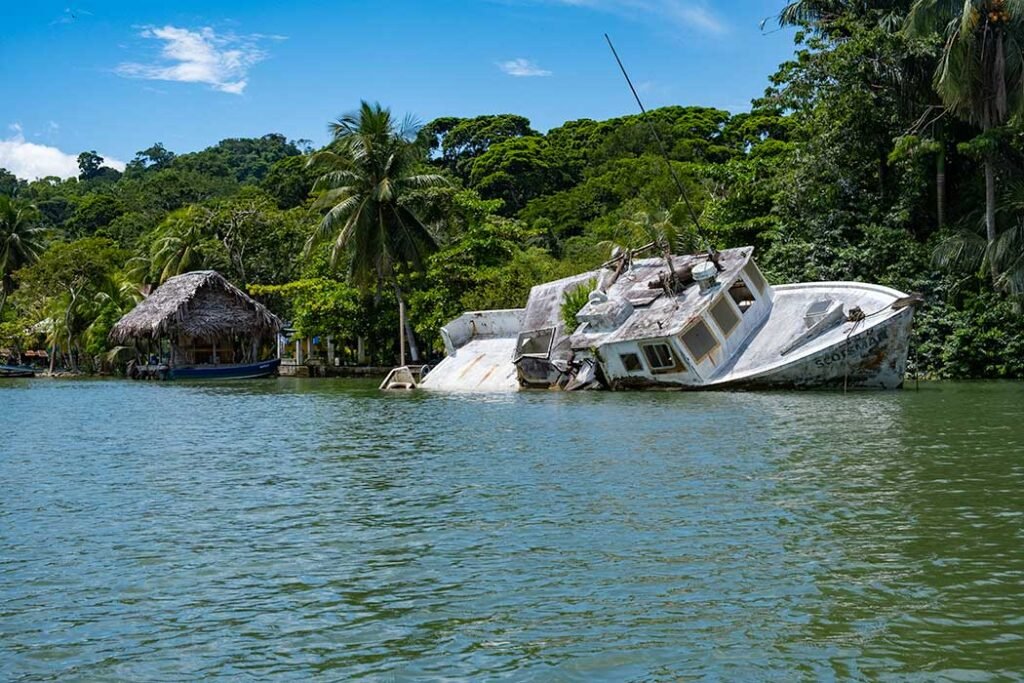
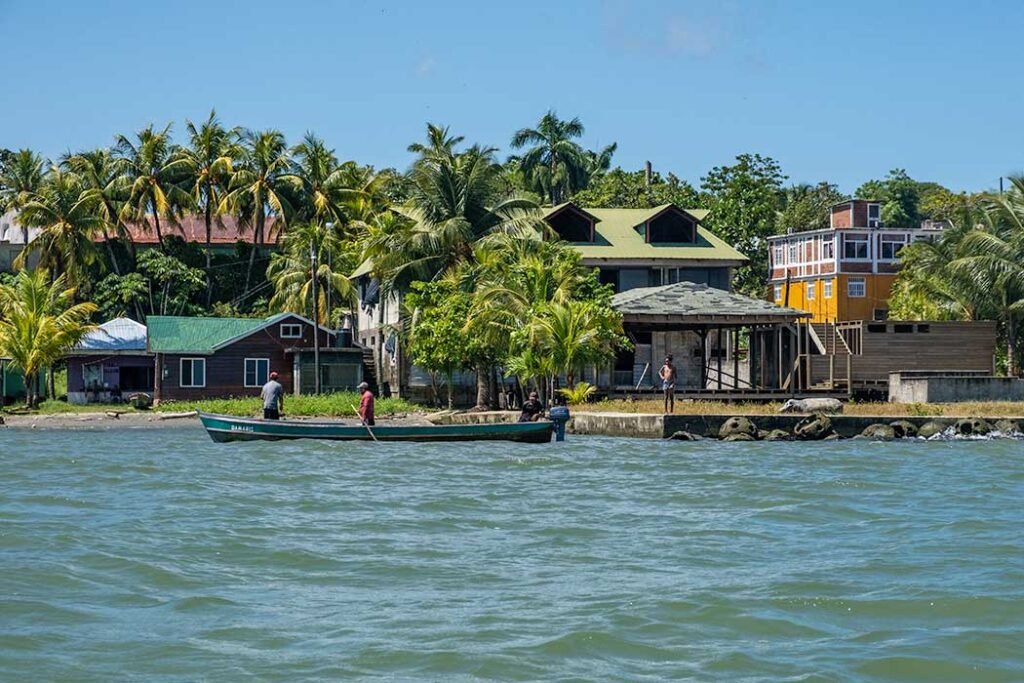
The journey there, especially from Rio Dulce, was breathtaking. I read an opinion that it’s not all that, and I couldn’t disagree more. The river is lined with lush jungle, with hostels and restaurants sitting right on the water, and then the lake opens out. I was mesmerised.
In town, the heat and humidity hit you first. Tuk-tuks pass honking their horns. You walk past a stand selling an awesome carrot or banana cake. Kids run in the street, and boys who look about fourteen work in the shops, carrying crates of freshly delivered soft drinks. If you are a girl, no matter your age, they ask where you’re from with a cheeky smile. Almost everyone says buenos días or hola. Police stand at the crossroads directing traffic, as if it were New York.
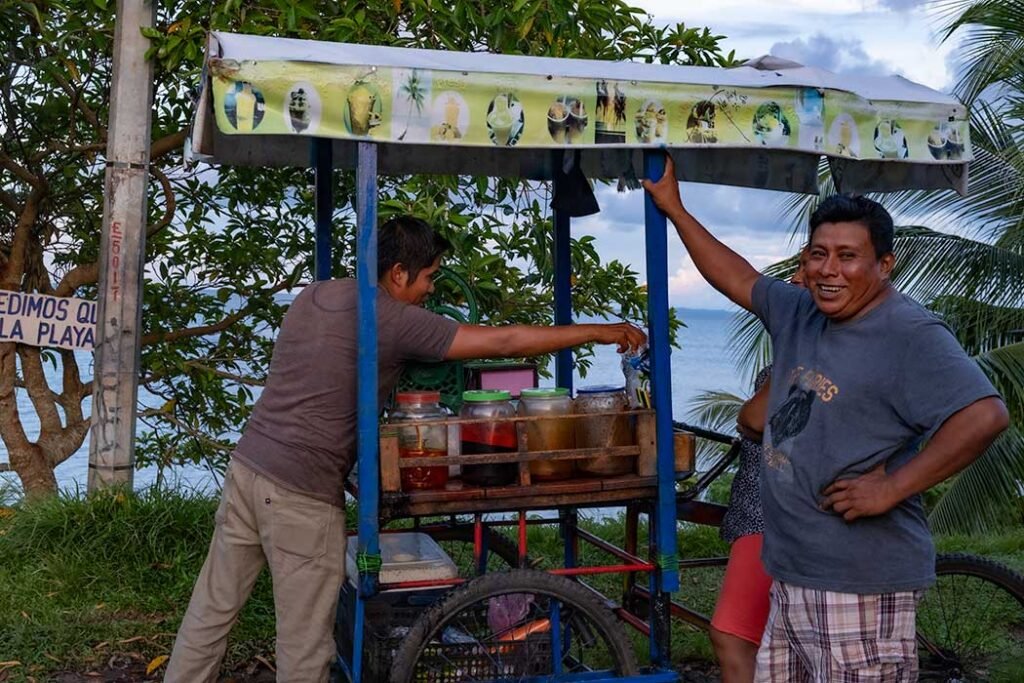
There were the granizadas, sweet and icy, served from small trolleys where the ice is crushed by an old-school machine. There were the ladies insisting on braiding my hair every single time I walked past. There was tapado, probably the best seafood dish I have ever tasted. And there was that crazy disco party on the beach in the Garifuna part of town.
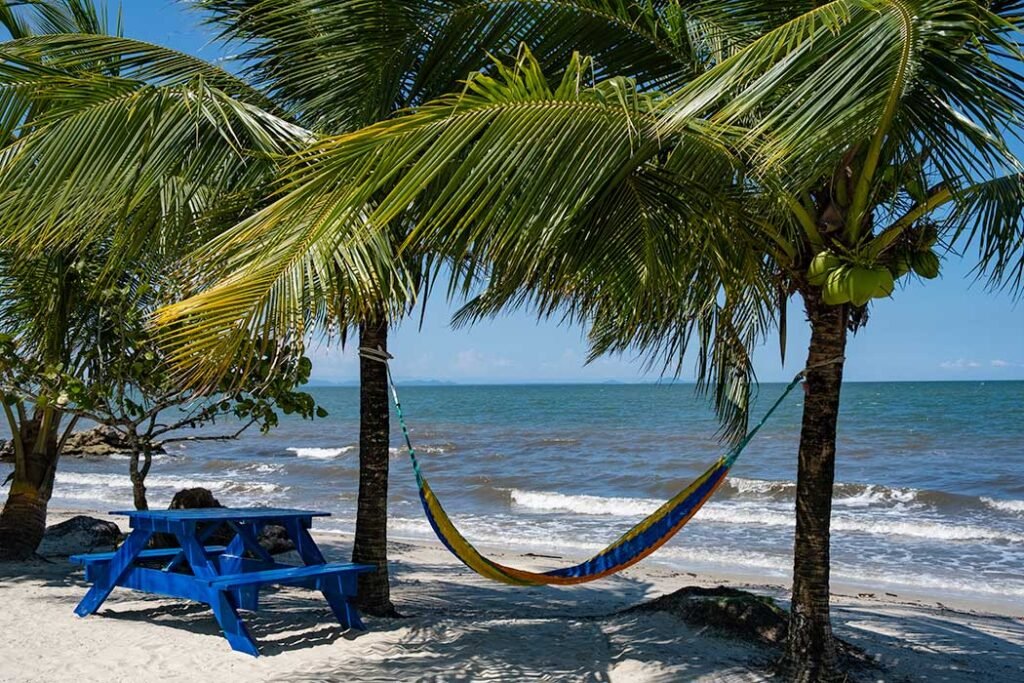
There are also a few great trips to take from Livingston: hiking to Siete Altares, or a day boat trip to Playa Blanca, a truly outstanding beach and one of the best in Guatemala.
Who Should Skip It
I did not always love it. Livingston can be run down and, for lack of a better word, poor. People live simple lives, and because the town doesn’t revolve around tourism, they don’t go out of their way to hide it. The beaches around town are dirty. The sea isn’t turquoise, the sand isn’t white, and the water is on the murky side.
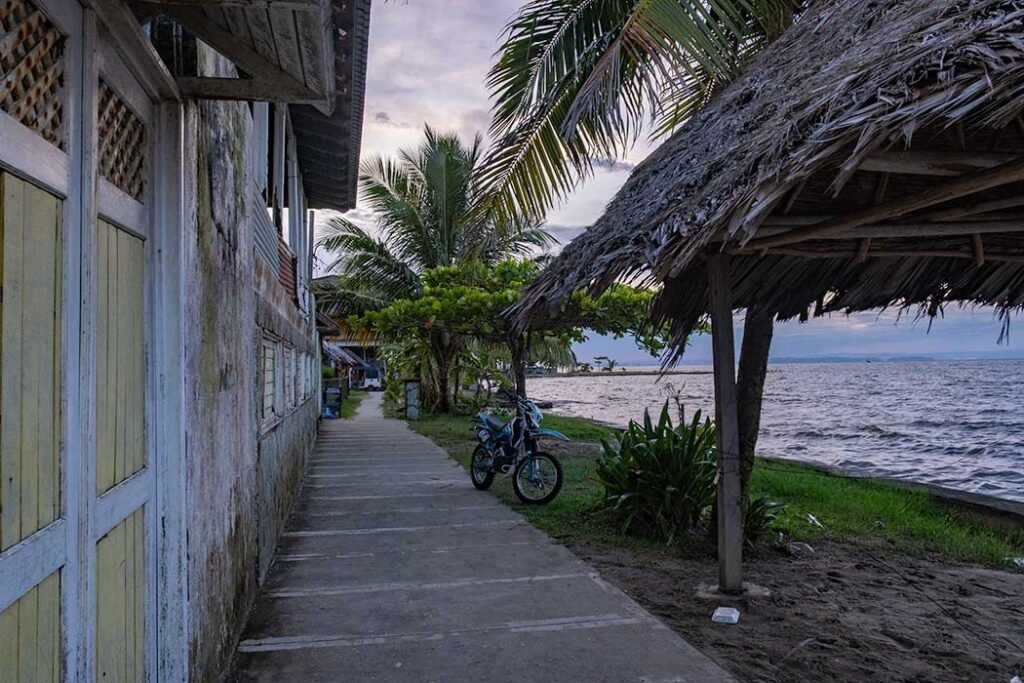
If you are looking for the perfect beach destination, a dream-like Caribbean town with a waterfront full of stands selling coconut water and fancy cocktails, don’t go to Livingston.
If you want a polished destination full of yoga classes and vendors selling vegan coconut and raw chocolate balls, it isn’t for you either.
But if you want to understand more about Garifuna culture, and chill at one of the best waterfront hotels I ever stayed in, you should definitely go.
Things to Do in and Around Livingston
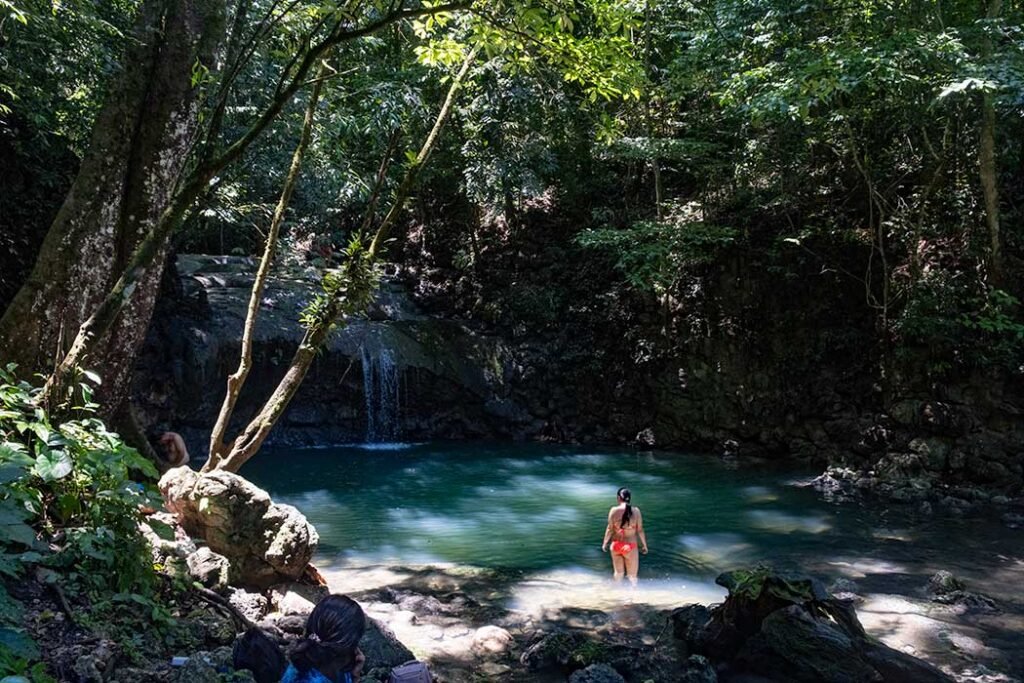
Siete Altares (seven freshwater pools and waterfalls)
- About 5 km from town, or roughly a 1.5-hour walk along the beach.
- Some call it a mini Semuc Champey. After seeing Semuc Champey, I’d say nothing compares, but it’s still worth a visit.
- Perfect after a hot, sticky walk around town.
- Shortcut on foot: a tuk-tuk from the town centre for about Q5. Ask to be dropped at the bridge over the Quehueche River (el Puente de Quehueche), then walk along the beach for about 20 minutes until you see the sign.
- By boat: a lancha runs for around Q25 each way (about 10 minutes). Ask at the dock.
- Entry: Q20
- Closes: around 4 pm. Go in the morning so you’re not rushing.
Playa Blanca (white sand, turquoise water, one of the best beaches in Guatemala)
- A private beach reachable only by boat, on a day trip arranged through your hotel.
- The trip includes a morning stop at Siete Altares, so you can do both in one day.
- Cost: Q100 per person for the boat, plus entrance fees. When I last checked, Casa Rosada advertised a combined excursion leaving at 9:30 am. It needs a minimum number of people, so ask about availability.
- Back in town: just after 4 pm.
- The beach restaurant is great but pricey. Pack a lunch if you want to save some coins.
A trip to Rio Dulce. If you didn’t arrive via Rio Dulce, go. It’s a gorgeous river lined with tropical jungle, and I took the trip twice and loved it both times.
- Boat from Livingston: about Q125 one way.
- Worth staying a night or two. Two river hostels I’d recommend:
- Casa Perico
- Hotelito Perdido: off-grid, makes its own bread and yoghurt, and had the best chocolate I’ve ever tasted.
- The town of Rio Dulce sits at the top of Izabal Lake, with great restaurants and bars on its banks. You could easily spend a couple of days in the Río Dulce area, especially if you enjoy nature and quieter places.
Walk: The Main Street, Dock to Sea
Spend an hour or two wandering the main street from the ferry dock to the Caribbean, ideally during business hours when the shops are open. Look at the murals, try a granizada from a trolley, grab a slice of carrot or banana cake. It’s the best way to get a feel for the town.
Museum: Livingston’s Multicultural Museum
Several guides point to a small museum near the dock that tells the story of the Garifuna and the town’s mixed history. I can’t vouch for it myself, so check opening hours and entry fees locally. It sounds like a good option for a hot afternoon or a rainy day.
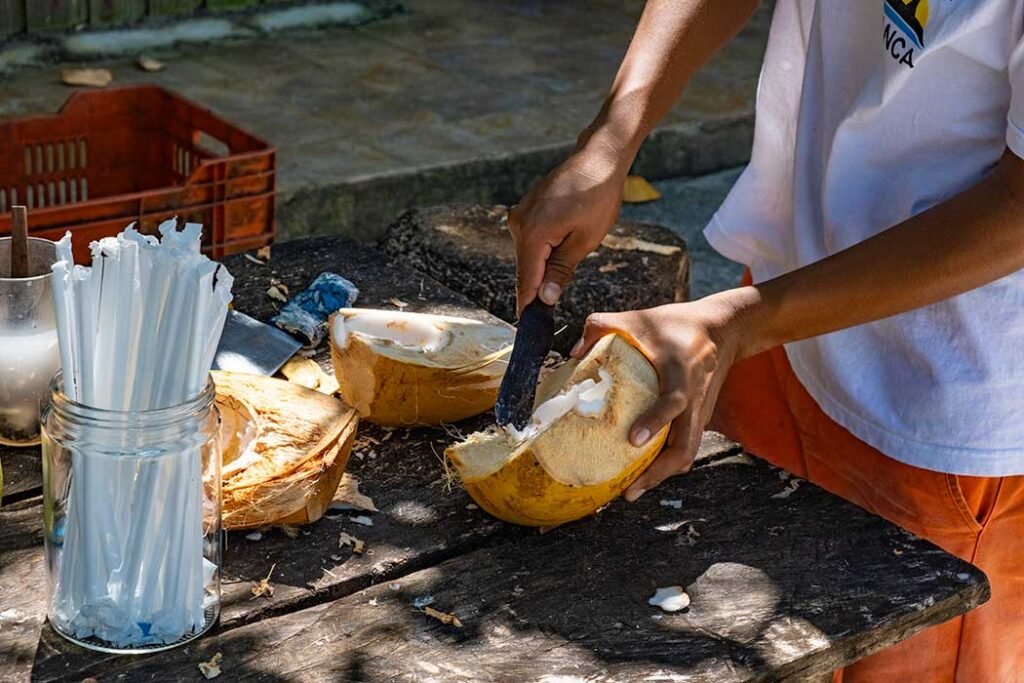
Eat: Tapado
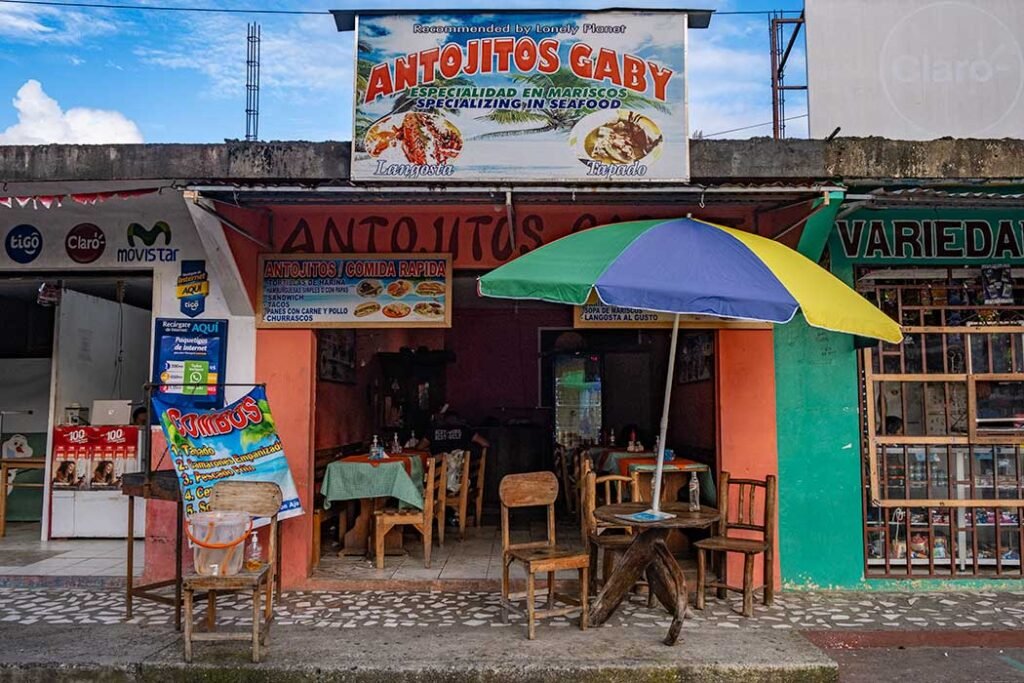
A seafood soup from the Caribbean coast of Guatemala, Belize and Honduras, made with whatever seafood is available that day, mostly fish, lobster and shrimp, in a coconut sauce, served with rice.
- Where: Casa Rosada, Buga Mama or Casa Nostra.
Where I Stayed (and My Bias)
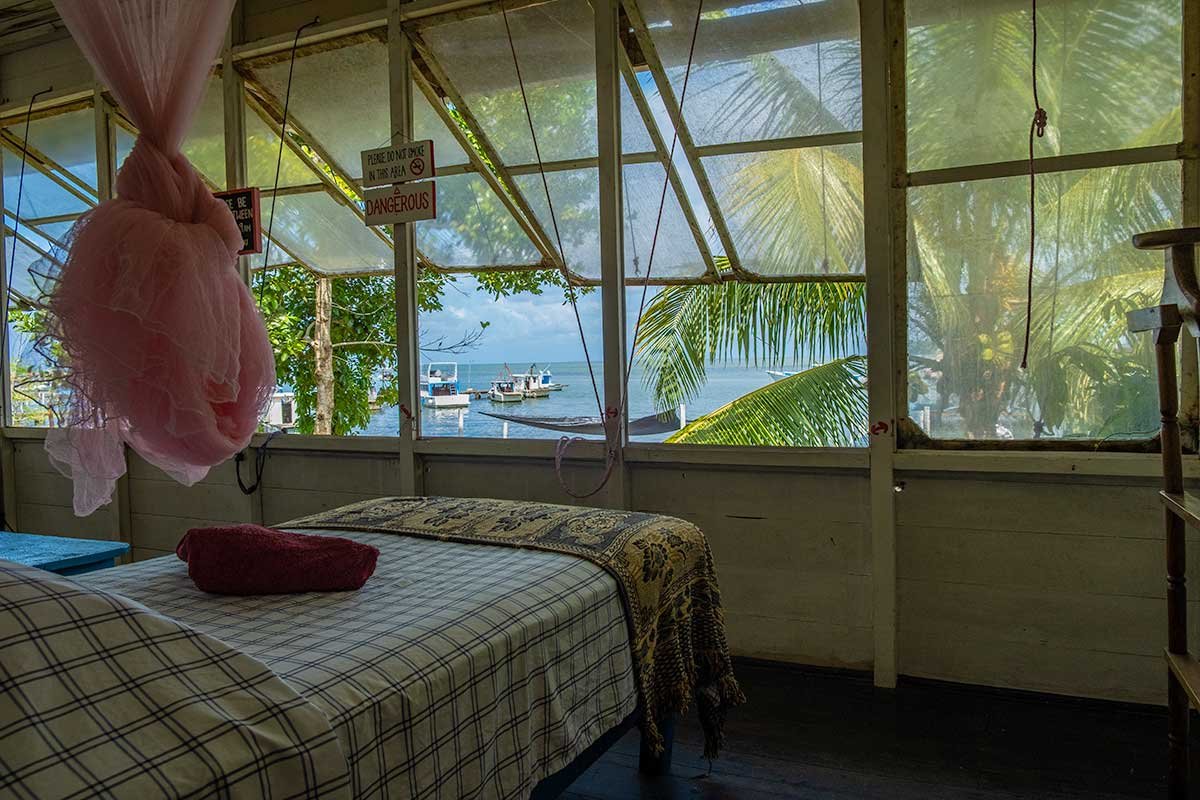
Casa Rosada is the reason I’d stay in Livingston. I’ll be upfront: I spent a month there as a volunteer, so I’m biased. But I truly mean it. This place is special.
- Setting: on the bank of the river, with a great water deck, hammocks and an incredible sunrise.
- Loft dorms: wake up to the sunrise colours and the ocean view without leaving your bed.
- The people: the hotel attracts great travellers. I made friends there that I stayed in touch with for the rest of my trip in Guatemala.
- The food: second to none. Make your dinner reservation before noon.
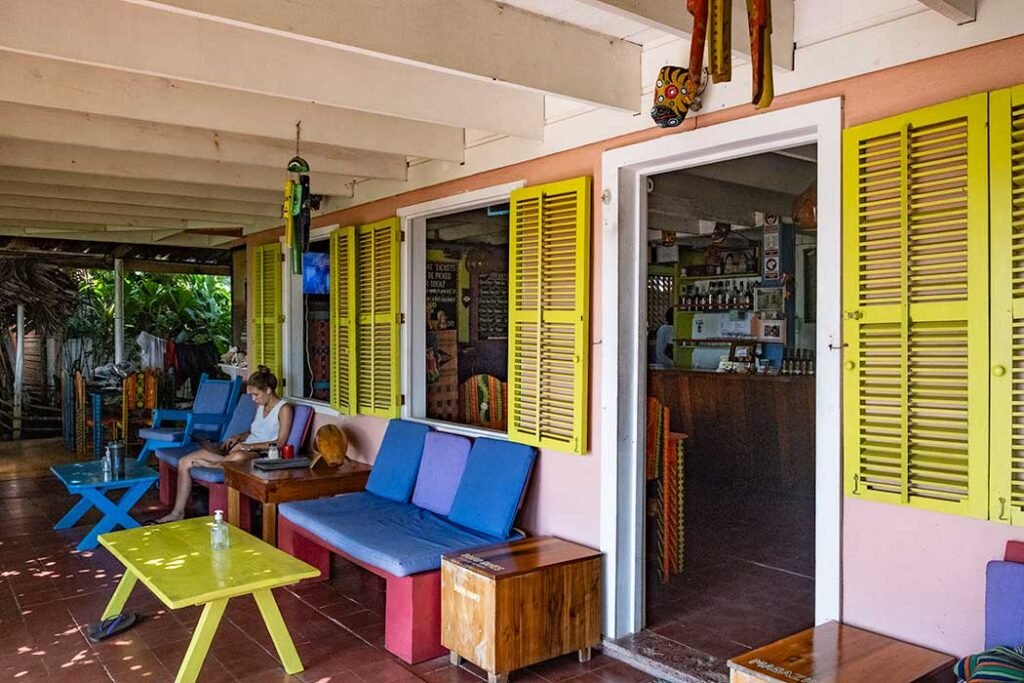
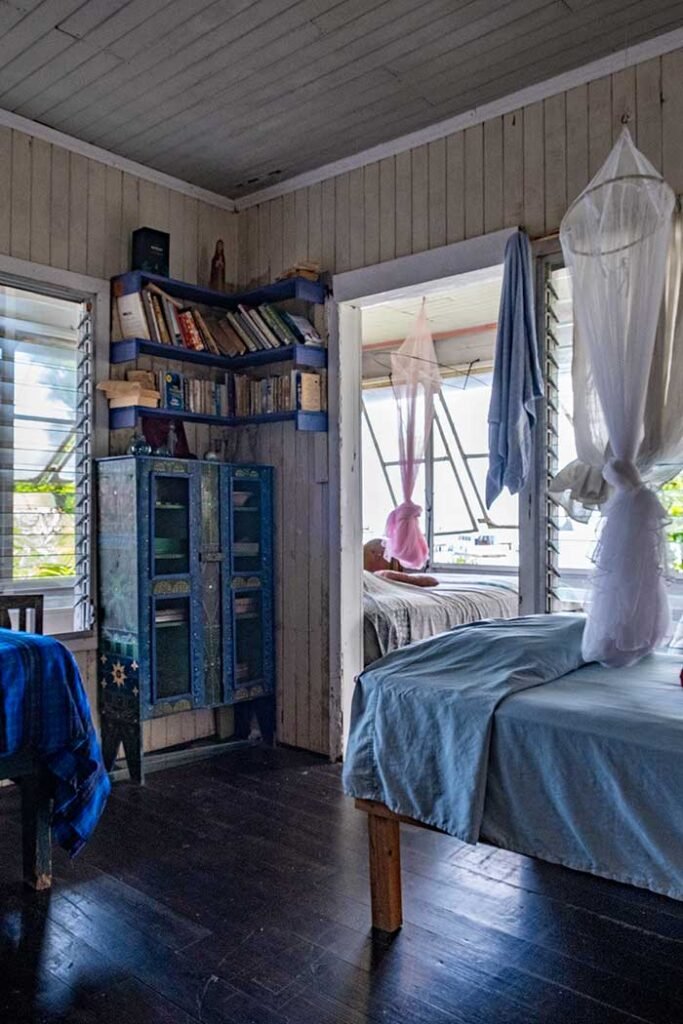
Other options: Casa Nostra and Casa de la Iguana. I haven’t stayed at either but both came highly recommended.
My advice: book a loft dorm at Casa Rosada.
If You Go: Getting There
Livingston can only be reached by boat. There are no roads connecting the town to the rest of Guatemala. You can arrive from Río Dulce, along the river and through the canyon, or from Puerto Barrios, which is a much shorter boat ride.
From Río Dulce
- Take a public lancha from the municipal dock in Río Dulce.
- Cost: roughly Q100 to Q125 one way. Journey time: anywhere from under an hour to about two hours, depending on the boat and stops. Confirm locally.
- There are usually two departures a day, one around 9 to 9:30 am and another around 2:30 pm. Arrive early.
- By far the more scenic way to arrive.
From Guatemala City
- Litegua bus to Puerto Barrios. In 2026, roughly Q145 to Q200 depending on the service. Allow 6 to 9 hours.
- Taxi to the municipal dock (muelle municipal).
- Public lancha to Livingston: about Q50 and 30 minutes. Departure times aren’t always fixed, and some boats leave once enough passengers have gathered. Aim to arrive well before 5 pm.
- Walk or take a tuk-tuk to your accommodation.
From Antigua
- Cheapest: public transport to Guatemala City, then the route above.
- Easier: a tourist shuttle to Río Dulce, roughly US$35 to 50 in 2026, about seven hours, then the boat. It costs a little more but is more convenient with luggage. Make sure it arrives in time for the afternoon boat.
- I booked my transfer through a local company recommended by my accommodation. Ask your hostel or hotel for current recommendations.
From Flores
- I’d book a shuttle to Río Dulce and continue by boat. Shuttles cost roughly US$30 to 35 in 2026 and take about four hours.
- Public buses may be cheaper, but they involve more connections. After hours on buses across Central America, I think paying a little extra for a straightforward journey is money well spent.
- Ask at Los Amigos hostel or one of the travel agencies in Flores. Add the boat from Río Dulce to the shuttle price.
Getting to Honduras
From Livingston, the usual route is by boat to Puerto Barrios, then on to the border at Corinto. Once in Honduras, you can continue to Omoa, Puerto Cortés or San Pedro Sula.
Here is how I was advised to do it at Casa Rosada. I haven’t been able to verify every detail for 2026, so treat this as a record of how it worked during my visit.
- Take the first boat from Livingston to Puerto Barrios, which left at 5 am. Fares are around Q50.
- From Puerto Barrios, a chicken bus to Corinto left from near the central market, just behind the Litegua bus stop. It was slow and bumpy, with plenty of stops, but very budget-friendly.
- If you’d rather have comfort, especially with big bags, Casa Rosada could arrange a private shuttle through a local driver called Roberto. It cost more and didn’t run every day.
- I was told to exchange money on the Guatemalan side, as there were no convenient exchange options right after crossing into Honduras.
Start early, carry some small notes, and ask at your accommodation for the latest information. Guatemala and Honduras are both part of the CA-4 agreement, which gives many visitors a shared immigration period, but visa rules depend on your nationality. Check current requirements before you travel.
Practical Tips
- Tuk-tuks: easy for getting around, especially with luggage. Agree on the fare before you get in. Short rides should be cheap, but prices vary by distance and whether you’re travelling alone.
- Heat and humidity: it is hot and humid, and walking in the middle of the day is exhausting. Explore in the morning, take breaks and carry plenty of water.
- Nights out: I went to the Garifuna part of town in a group and we felt safe. I’d suggest doing the same, especially after dark if the area is unfamiliar. As anywhere, use your judgement and ask locally about places to avoid.
- Bars: when I visited, I didn’t find many comfortable places in the town centre for a relaxed drink. That’s my personal experience, not a guide to Livingston’s nightlife, and things may have changed.
Information and indicative prices reviewed in November 2026 Transport, fares and local services change, so always confirm before you travel.
Should You Go?
The woman who left after one tuk-tuk ride and I spent time in the same town. Livingston gives very different answers depending on how long you stay and what you came looking for.
If you want a polished Caribbean destination, skip it. If you’re curious about a part of Guatemala that looks and sounds nothing like the rest, and you can handle some rough edges, give it more than one night.
Towards the end of my month, I actually considered staying longer. I loved Casa Rosada, the people I’d met and the little life I’d built there. But as much as I enjoyed Livingston, I wasn’t sure I could see myself there for several more months. The town felt quite isolated, and I suspected that eventually its small size and slower pace might start to feel a little suffocating. Besides, I was only five months into my travels, and there was still so much I wanted to see. I hadn’t left everything behind just to settle down in the first place I really liked, had I?
So I packed my backpack and moved on.
Would I go back? Absolutely.